bosch induction cooktop instruction manual
Bosch induction cooktops offer innovative cooking solutions, detailed in comprehensive user manuals available online․ These guides cover safety, operation, and maintenance procedures․
What is Induction Cooking?

Induction cooking utilizes electromagnetic energy to directly heat cookware, unlike traditional methods that heat the cooktop first․ Bosch induction cooktops create a magnetic field, recognized only by ferromagnetic pots and pans․ This results in incredibly fast heating, precise temperature control, and enhanced energy efficiency․
The process happens because the magnetic field induces a current within the cookware itself, generating heat․ This means the cooktop surface remains relatively cool to the touch, improving safety․ User manuals emphasize using appropriate cookware for optimal performance and detail this crucial aspect of induction technology;
Benefits of Bosch Induction Technology
Bosch induction cooktops deliver numerous advantages, highlighted in their instruction manuals․ These include rapid heating, significantly reducing cooking times, and exceptional temperature responsiveness for precise control․ Energy efficiency is a key benefit, as heat is directly applied to the cookware, minimizing waste․
Furthermore, the smooth glass surface is easy to clean, and the cool-to-the-touch cooktop enhances safety․ Advanced features like FlexInduction and PowerBoost, detailed in the manuals, offer added convenience and versatility, making Bosch a leader in induction cooking․

Understanding Your Bosch Induction Cooktop
Bosch cooktop manuals detail zone layouts, control panel functions, and crucial safety features, ensuring users fully comprehend their appliance’s capabilities․
Control Panel Overview
Bosch induction cooktop control panels, as explained in the user manual, typically feature touch-sensitive controls for precise adjustments․ These panels display icons representing various functions like power levels, timers, and special features such as PowerBoost or Keep Warm․ The manual guides users through understanding each icon and its corresponding action․
Many models include a digital display showing selected settings and remaining cooking time․ Some advanced panels offer direct selection options for specific cooking modes․ The manual emphasizes the importance of familiarizing oneself with the panel’s layout for efficient and safe operation, detailing how to navigate the different options and customize settings․
Zone Layout and Functionality
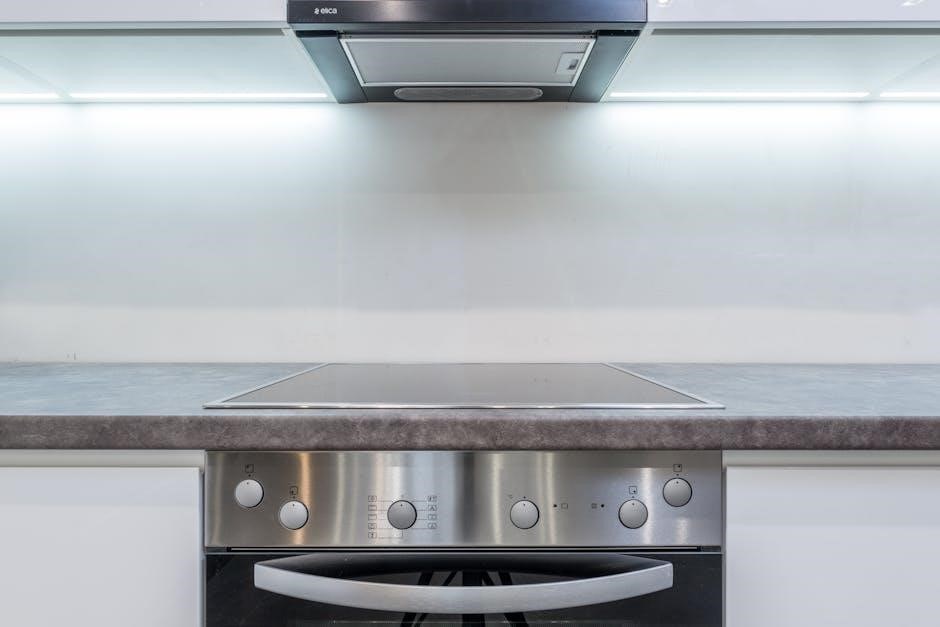
Bosch induction cooktops, as detailed in the instruction manual, feature clearly defined cooking zones, often with varying sizes to accommodate different cookware․ The manual illustrates the zone layout, explaining how each zone operates independently with adjustable power levels․
Many models incorporate FlexInduction technology, allowing zones to be combined for larger pots or irregularly shaped cookware․ The manual provides guidance on utilizing this feature effectively․ It also clarifies the importance of using cookware with a ferromagnetic base for optimal heating performance within each designated zone, ensuring efficient and safe cooking․
Safety Features
Bosch induction cooktop instruction manuals emphasize several key safety features․ These include automatic pan detection, which prevents the element from heating without suitable cookware․ A child lock function, detailed in the manual, disables the controls to prevent accidental operation․
Overheat protection safeguards against excessively high temperatures, and a residual heat indicator warns users when surfaces remain hot after cooking․ The manual also highlights the importance of proper ventilation during the self-cleaning process, advising removal of sensitive individuals or pets due to potential odors․

Initial Setup and Installation
Bosch manuals detail electrical requirements, proper cooktop placement, and ventilation needs for safe installation․ A post-installation checklist ensures correct setup․
Electrical Requirements
Bosch induction cooktops necessitate specific electrical setups for optimal performance and safety․ The instruction manual clearly outlines the required voltage, typically 220-240V, and corresponding amperage․ It’s crucial to verify your home’s electrical system meets these demands before installation․
Dedicated circuits are strongly recommended to prevent overloading and potential hazards․ The manual details the necessary wiring gauge and grounding procedures, emphasizing the importance of a qualified electrician for installation․ Ignoring these electrical specifications can void the warranty and create a fire risk․ Always consult a professional!
Cooktop Placement and Ventilation
Bosch induction cooktop installation requires careful consideration of placement and ventilation, as detailed in the instruction manual․ Ensure sufficient space around the unit for proper airflow, preventing overheating and maintaining optimal performance․
The manual specifies minimum clearances from surrounding cabinets and countertops․ Avoid locating the cooktop directly beneath flammable materials or in areas exposed to excessive moisture․ Adequate ventilation is vital, especially during prolonged use, to dissipate heat effectively․ Following these guidelines ensures safe and efficient operation, maximizing the cooktop’s lifespan․
Post-Installation Checklist
Following installation, the Bosch induction cooktop instruction manual outlines a crucial post-installation checklist․ Verify all electrical connections are secure and comply with local codes․ Confirm the cooktop sits level and is stable on the countertop․
Test each cooking zone to ensure proper heating functionality․ Review the control panel operations, verifying responsiveness and accuracy․ Finally, familiarize yourself with safety features and error code indications․ Completing this checklist guarantees safe operation and optimal performance of your new induction cooktop, as per manufacturer recommendations․

Operating Instructions
Bosch manuals detail powering on/off, zone selection, and heat adjustments․ Understanding these controls, as outlined in the instruction manual, ensures efficient cooking․
Powering On and Off
Bosch induction cooktops typically feature a touch-sensitive control panel for operation․ To power on, locate the main power button – often symbolized by a circle with a vertical line – and briefly touch it․ The cooktop will activate, and indicator lights will illuminate․
To power off, repeat the process by touching the same power button․ Ensure all cooking zones are deactivated before completely switching off the appliance․ Some models may have a lock function; consult your manual for details․ Always confirm the cooktop is off by checking that all indicators are extinguished, preventing accidental activation․
Selecting Cooking Zones
Bosch induction cooktops utilize clearly defined cooking zones, often indicated by markings on the glass surface․ To select a zone, simply touch the corresponding zone’s indicator on the control panel․ A visual confirmation, like a flashing dot or illuminated outline, will show the selected zone․
Many Bosch models feature FlexInduction zones, allowing you to combine multiple zones for larger cookware․ Refer to your manual for specific instructions on activating and configuring these flexible areas․ Ensure your cookware is appropriately sized for the selected zone for optimal heating performance․
Adjusting Heat Settings
Bosch induction cooktops offer precise heat control, typically using a numerical scale (1-9 or similar) or plus/minus buttons․ Higher numbers represent greater heat output․ Adjust the setting by touching the corresponding control for the selected cooking zone․
Many models display the current heat level visually․ For rapid heating, utilize the PowerBoost function (see Special Features section)․ Remember that induction heats the cookware directly, so adjustments are quick․ Always start with a lower setting and increase as needed to avoid scorching․

Special Features
Bosch induction cooktops boast features like FlexInduction, PowerBoost for rapid heating, and a Keep Warm function, enhancing cooking versatility and convenience․
FlexInduction Zones
FlexInduction technology, a standout feature of select Bosch cooktops, provides unparalleled cooking flexibility․ These zones automatically detect the size and shape of your cookware, adapting the heated area accordingly․ This eliminates wasted energy and allows for simultaneous cooking with various pot and pan sizes․
The manual details how to combine multiple zones for larger vessels like griddles or roasting pans․ It also explains the zone’s intelligent recognition capabilities, ensuring efficient and precise heating․ Users can easily manage and customize these flexible areas through the intuitive control panel, maximizing cooking convenience and efficiency․
PowerBoost Function
Bosch induction cooktops feature a PowerBoost function, designed for rapid heating when you need it most․ This feature temporarily increases the power output to a selected zone, significantly reducing boiling times or searing temperatures․ The instruction manual clearly outlines how to activate PowerBoost and its limitations․
It’s crucial to understand that PowerBoost is typically available only on certain zones and for a limited duration․ The manual emphasizes monitoring cookware during PowerBoost operation and cautions against using it with all types of pots and pans, ensuring optimal performance and safety․
Keep Warm Function
Bosch induction cooktops often include a Keep Warm function, ideal for maintaining food temperatures after cooking․ The instruction manual details how to activate this feature on compatible zones, typically setting a low, consistent heat level․ This prevents food from cooling excessively while awaiting serving, ensuring a pleasant dining experience․
The manual stresses that Keep Warm is not intended for prolonged storage and advises checking food periodically․ It also clarifies that certain cookware materials may not be suitable for extended use with this function, promoting both food safety and cooktop longevity․

Cleaning and Maintenance

Bosch manuals recommend specific cleaning products for induction cooktops, advising against abrasive materials․ Self-cleaning functions, if present, require ventilation․
Recommended Cleaning Products
Bosch induction cooktop manuals consistently emphasize the importance of using appropriate cleaning agents to maintain the surface’s integrity and performance․ Generally, a mild dish soap and warm water are sufficient for daily cleaning, effectively removing light spills and residue․ Avoid abrasive cleaners, scouring pads, or harsh chemicals, as these can cause scratches and damage the glass ceramic surface․
Specialized ceramic cooktop cleaners are also recommended for more stubborn stains or burnt-on food․ These cleaners are formulated to safely lift residue without causing damage․ Always follow the manufacturer’s instructions on the cleaner’s packaging․ After cleaning, wipe the surface dry with a soft cloth to prevent water spots and streaks, ensuring a pristine finish․
Self-Cleaning Function (if applicable)
Bosch induction cooktop manuals detail the self-cleaning function, if equipped, as a convenient way to address stubborn, burnt-on food residue; This process typically involves heating the cooktop surface to a high temperature for a specified duration, effectively carbonizing the residue for easier removal․
However, manuals strongly advise removing any large food particles before initiating the self-clean cycle․ It’s also crucial to ensure adequate ventilation during operation, as the process can release odors․ The manual recommends removing sensitive individuals or pets from the kitchen area during this time, due to potential manufacturing residue burn-off․
Avoiding Damage to the Cooktop Surface
Bosch induction cooktop manuals emphasize protecting the glass ceramic surface from scratches and impacts․ Avoid sliding heavy pots and pans across the cooktop; lift them instead․ Using cookware with smooth, flat bottoms is crucial for efficient heating and prevents potential damage․
The manuals caution against using abrasive cleaners or scouring pads, as these can cause scratches․ Spills, particularly sugary substances, should be wiped up immediately to prevent pitting or sticking․ Dropping hard objects onto the surface should be avoided, as it can lead to cracking or breakage․
Troubleshooting Common Issues
Bosch manuals detail error codes, heating problems, and control panel malfunctions, offering solutions for common issues to ensure optimal cooktop performance and safety․
Error Codes and Meanings
Bosch induction cooktop manuals provide a detailed list of error codes displayed on the control panel․ These codes are crucial for diagnosing issues, ranging from communication errors to sensor failures․ For example, a flashing “E” might indicate a communication problem between the cooktop and the control module, while specific numerical codes pinpoint issues like a faulty temperature sensor or an overheated cooking zone․
The manual explains each code’s meaning and suggests potential remedies, such as restarting the cooktop, checking the power supply, or contacting a qualified technician for more complex repairs․ Understanding these codes empowers users to address minor problems independently and facilitates efficient troubleshooting when professional assistance is required․
Cooktop Not Heating
If your Bosch induction cooktop isn’t heating, the instruction manual advises several checks․ First, verify the power supply and ensure the cooktop is correctly connected․ Confirm the cooking zone is activated and the appropriate heat setting is selected․ Incorrect cookware – non-magnetic pots and pans – won’t work on induction․
The manual also suggests checking for error codes, as these often indicate the root cause․ If the issue persists, it could signal a faulty heating element or a problem with the cooktop’s internal components, requiring professional service․ Always consult the manual before attempting any repairs yourself․
Control Panel Malfunctions
Should the Bosch induction cooktop’s control panel malfunction, the instruction manual recommends a power reset․ Turn off the cooktop at the breaker for a few minutes, then restore power․ If the display is unresponsive or buttons aren’t functioning, check for any obstructions or spills affecting the panel․
Error codes displayed on the panel are crucial for diagnosis; consult the manual’s error code section for specific meanings․ Persistent malfunctions likely indicate an internal issue requiring a qualified technician․ Avoid attempting self-repair, as this could void the warranty․

Technical Specifications
Bosch cooktop manuals detail power ratings, voltage requirements, temperature ranges, and precise dimensions/weight․ These specs ensure proper installation and usage․
Power Rating and Voltage
Bosch induction cooktop manuals meticulously specify the power rating, crucial for electrical circuit compatibility․ Voltage requirements are clearly stated, typically ranging from 220-240V, but variations exist between models․
Understanding these specifications is paramount before installation․ Manuals detail the total power consumption of the cooktop, often exceeding 7000W for larger units with multiple zones․ Incorrect voltage or insufficient amperage can lead to malfunctions or safety hazards․ Always consult a qualified electrician to verify your home’s electrical system meets the cooktop’s demands, as outlined in the provided documentation․
Temperature Range
Bosch induction cooktop instruction manuals detail a broad temperature range, offering precise cooking control․ Most models feature settings from low simmer (around 140°F/60°C) to high-heat searing (exceeding 460°F/238°C)․
The manuals explain how to navigate these levels using the control panel, often employing numerical scales or pre-set programs․ Understanding the temperature range allows for optimal results with various cooking techniques․ Precise temperature control is a key benefit of induction, and the manual guides users in maximizing this feature for consistent, professional-quality dishes․
Dimensions and Weight
Bosch induction cooktop instruction manuals provide crucial dimensional specifications for proper installation․ These details include width, depth, and required cutout dimensions, ensuring a seamless fit into kitchen countertops․ Weight information is also supplied, vital for safe handling during installation and potential future relocation․
Manuals often present these measurements in both metric and imperial units․ Accurate dimensions prevent installation errors, while weight details aid in assessing countertop support requirements․ Referencing these specifications guarantees a secure and stable cooktop setup, contributing to long-term performance and safety․